The Hidden Treasures of Wild Edible Plants
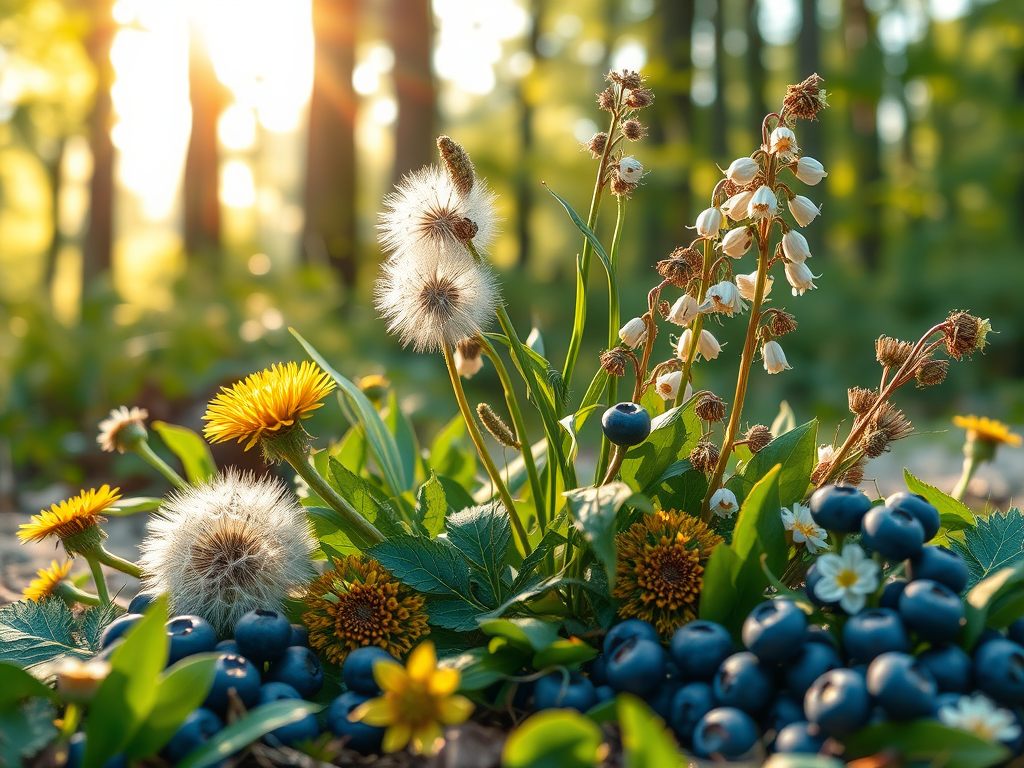
Most people walk through forests and fields, often oblivious to the abundance of free food flourishing all around them. Wild edible plants offer not just delicious meals but also substantial health benefits. These natural resources have sustained humans for millennia, long before the existence of supermarkets, and they continue to play a crucial role in food security in numerous regions around the globe today. Foraging connects us to ancient traditions; early humans thrived by gathering edible plants long before the dawn of agriculture. Native Americans mastered the knowledge of hundreds of wild edible plants, passing this invaluable wisdom through generations. This expertise proved vital for communities facing hardships when crops failed or food became scarce. Today, many cultures actively incorporate wild plants into their daily diets, recognizing their immense value. The health benefits of wild edible plants often surpass those of store-bought vegetables. Wild varieties typically boast higher levels of vitamins, minerals, and antioxidants than their cultivated counterparts. For example, wild blueberries have nearly double the antioxidant strength of their farmed counterparts. Dandelions, often dismissed as mere garden weeds, actually deliver more calcium than milk and exceed spinach in iron content. Integrating these natural foods into meals enhances health without the need for expensive supplements. Moreover, learning about edible plants deepens one’s connection to nature. Identifying wild garlic or blackberries transforms the outdoors from a mere green backdrop into a vibrant pantry, reshaping perceptions of the environment. During World War II, many European families skillfully navigated food shortages by foraging wild plants, a vital skill during challenging times when conventional food supplies dwindled. However, proper identification remains crucial for safety. Some edible plants have harmful look-alikes that can lead to severe illness or even death. The death cap mushroom, for example, bears a striking resemblance to several safe varieties yet harbors deadly toxins. Prior to consuming any wild plant, conducting thorough research and learning from knowledgeable guides is essential to avoid perilous mistakes. Each year, numerous poisoning incidents occur because individuals consume unidentified plants. Additionally, practicing sustainable harvesting safeguards these vital resources for future generations. By taking only what is necessary and leaving enough plants to reproduce, we guarantee that these foods will remain available. Native American tribes frequently adhered to the “honorable harvest” principle, gathering only what they needed while ensuring that plants could continue to thrive. This approach not only honors nature but also fosters the preservation of biodiversity.
In conclusion, wild edible plants are like nature’s hidden buffet, offering a delightful mix of food, medicine, and a hefty dose of human history—who knew? Imagine wandering through the great outdoors, with the sun shining and birds chirping, only to realize that the lush greenery around you is an all-you-can-eat salad bar! Mastering the art of identifying and harvesting these plants is not just useful; it’s like getting a backstage pass to Mother Nature’s kitchen, complete with quirky ingredients you can brag about at dinner parties. By diving back into this ancient knowledge, you can boost your health, save some cash (because who doesn’t love a grocery bill that resembles a magic trick?), and prepare for a zombie apocalypse (or just the next pandemic—who knows what the world has in store?). So, on your next stroll through a park or forest, keep your eyes peeled—not just for the Instagrammable views, but also for a free five-star meal just waiting to be munched! And hey, if someone questions your foraging skills, just tell them you’re a botanical gourmet. Who wouldn’t be impressed by that?


 The Sarcastic Swede
Leave a comment