National Parks
-
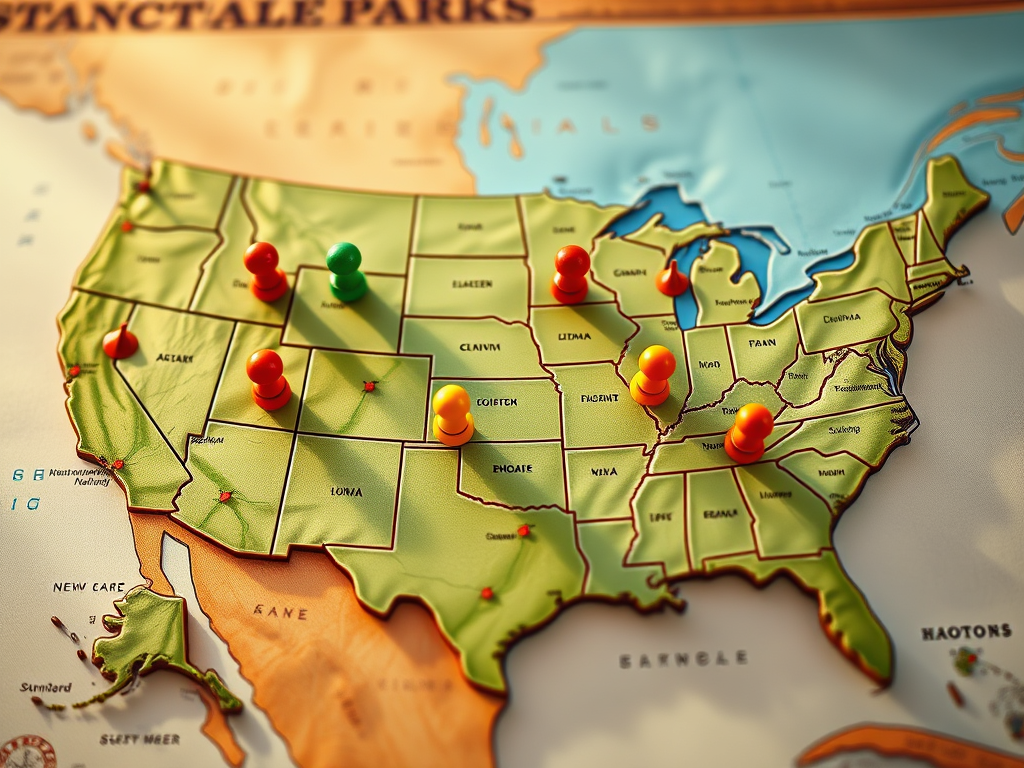
Must-See National Parks: Discover Nature’s Wonders
The content highlights ten iconic U.S. national parks, emphasizing their unique features, visitor experiences, practical visit tips, and historical significance. Parks include Yellowstone, Yosemite, and the Grand Canyon, with each section providing optimal visiting periods, fees, and safety guidelines to enhance adventure and appreciation of nature’s beauty while respecting cultural heritage.
-
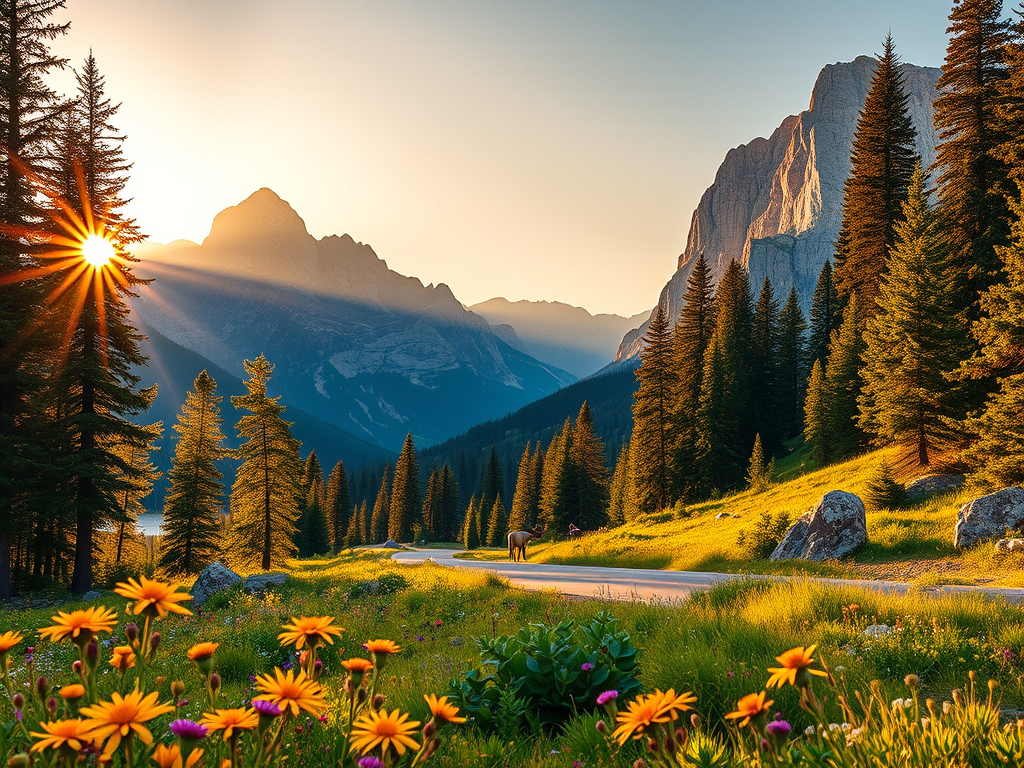
Explore Rocky Mountain National Park: A Nature Lover’s Guide
Rocky Mountain National Park in Colorado offers diverse elevations from 7,600 ft to 14,259 ft, featuring 124 summits and 355 miles of trails. Visitors can enjoy wildlife, scenic drives, and various activities like hiking, camping, and climbing. The park’s unique climate requires careful preparation for changing weather and altitude.
-

Discover the Wonders of BWCA Wilderness
The Boundary Waters Canoe Area Wilderness (BWCAW) in Minnesota is a vast, serene environment of lakes and rock formations. With over 1,200 miles of canoe routes, the area supports diverse wildlife and offers numerous outdoor activities. Advocacy and stewardship are essential for preserving its pristine nature against potential mining threats.
-

Exploring Mount Rainier National Park: What You Need to Know
Mount Rainier National Park in Washington is a stunning destination featuring the iconic 14,411-foot stratovolcano. It offers numerous activities like hiking, climbing, and scenic drives through diverse landscapes. Visitors should prepare for variable weather, secure permits, and expect to pay entrance fees. Wildlife is abundant, adding to the park’s allure.
-
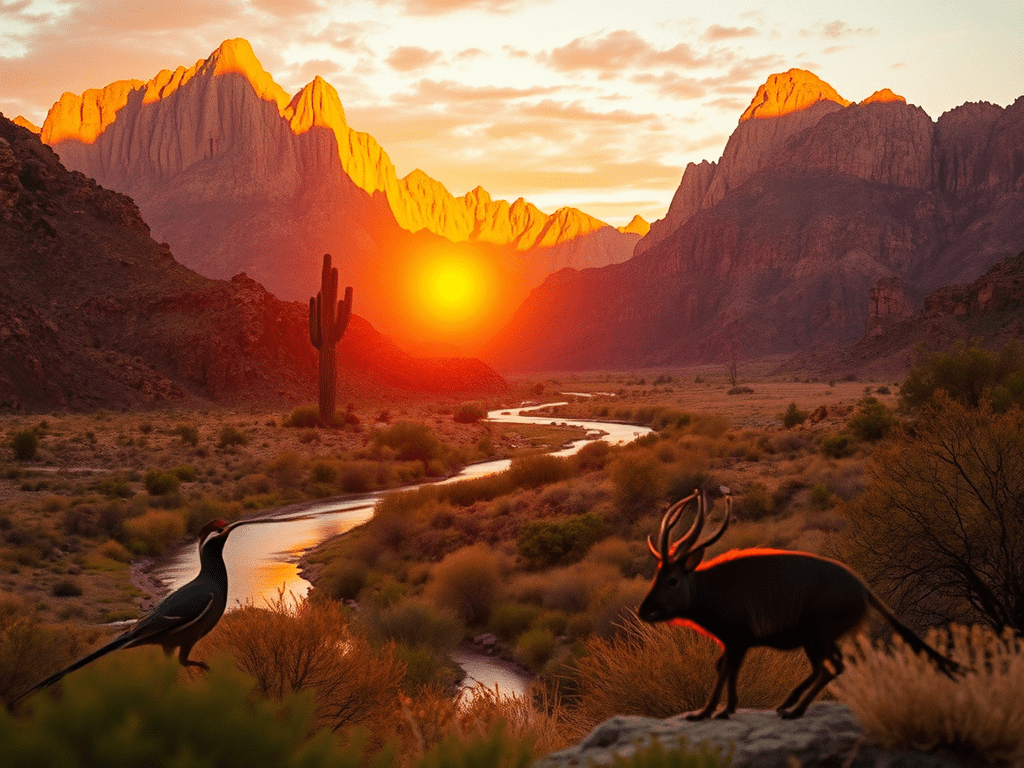
Your Ultimate Guide to Big Bend National Park’s Hidden Treasures
Big Bend National Park, located in the remote southwest of Texas, spans over 800,000 acres of diverse landscapes, ideal for outdoor enthusiasts. Accessible through long scenic drives from major Texas cities, it features three ecosystems: desert, mountains, and river canyons. With extreme summer heat and mild winters, fall and spring offer optimal visiting conditions. Activities…
 The Sarcastic Swede