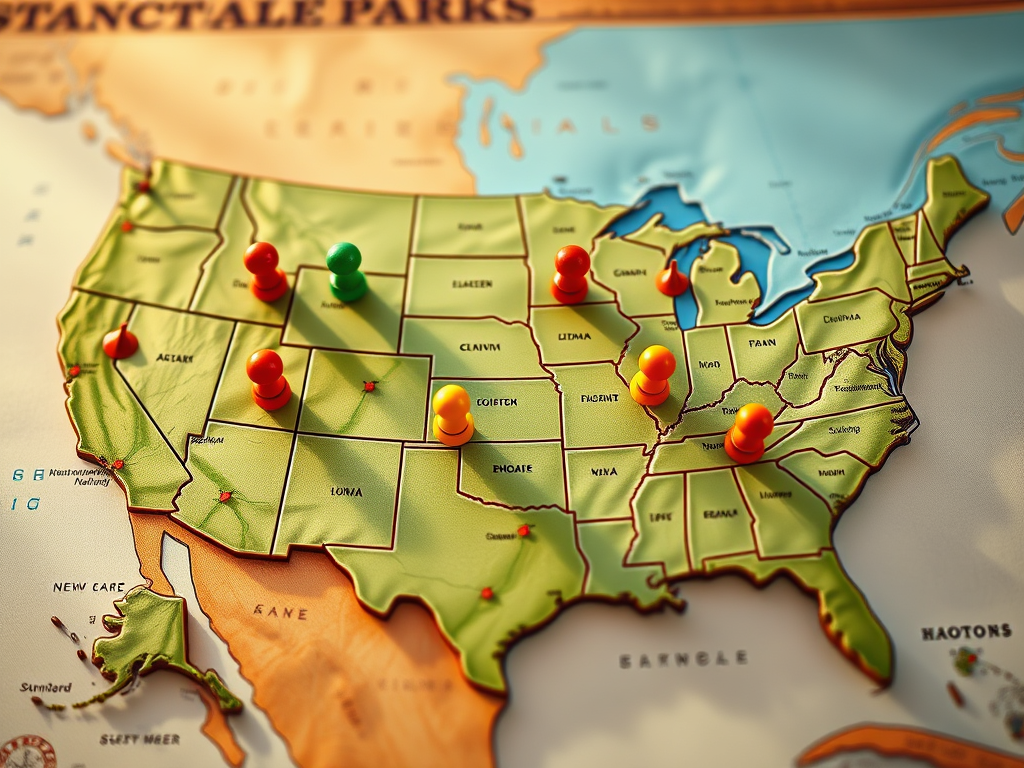
1. Yellowstone National Park – The Original Geothermal Mic-Drop
- Why it wows: 10 000+ hot-springs & geysers, a super-volcano that’s quietly plotting, and wildlife that treats roads like catwalks.
- Visitor voice: “Watching Old Faithful at dawn felt like Earth’s alarm clock, except the snooze button is scalding.” – Trip-report, 2024.
- Practical intel:
• Best time to visit Yellowstone National Park is late May–June & Sept–early Oct for fewer crowds and mellow temps.
• Entry fee ≈ $35 per vehicle/7 days (nps.gov) (America the Beautiful pass pays for itself by Park #3).
• Safety: stay 25 yd from bison, 100 yd from bears, and never test water temps with body parts you intend to keep. - Deep cut: Established 1872, it launched the global “national park” concept—arguably the best export until jazz.
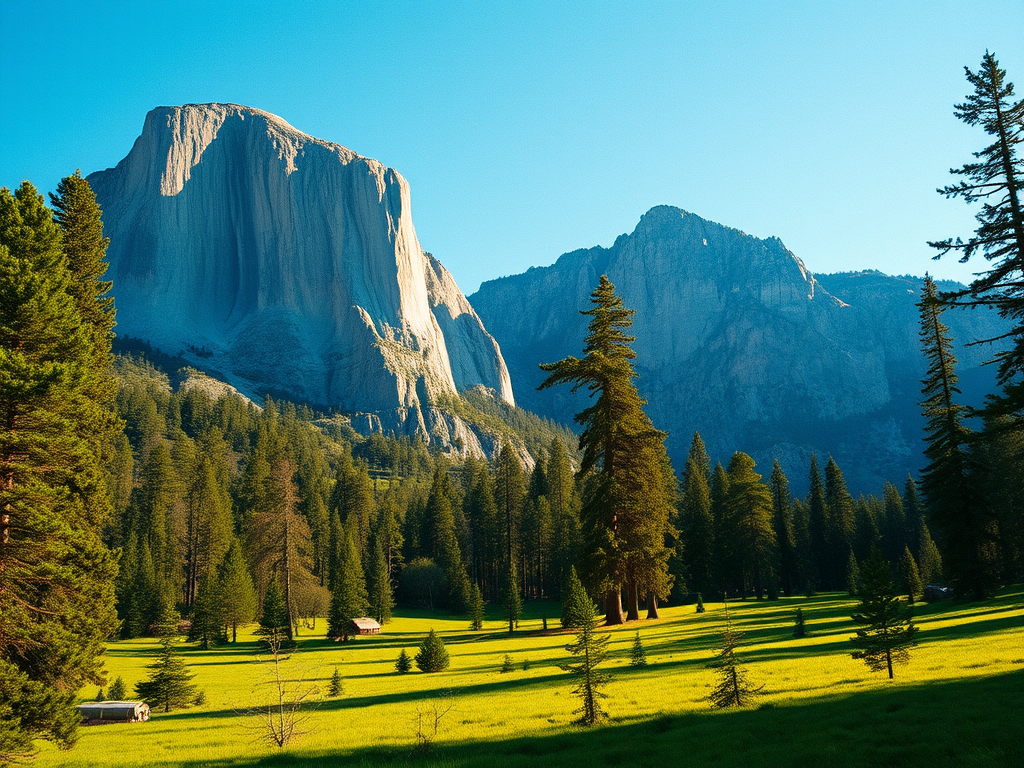
2. Yosemite National Park – Granite Cathedral with Waterfall Organ
- Why it wows: Half Dome, El Cap & 2 400 ft waterfalls that drop harder than surprise album releases.
- Quote: “Cable route up Half Dome? It’s a via ferrata on espresso.” – Climber’s log, 2025.
- Tips:
• Visit May–mid-June for peak falls; Sept–Oct for crisp rock & thinner crowds.
• Vehicle entry $35 / 7 days; cashless since 2023 (nps.gov).
• 2025 timed-entry reservations: book at recreation.gov the second they open (usually 8 a.m. PT, 5 mo out). - History: Lincoln signed the 1864 Yosemite Grant—first U.S. land set aside just for preservation.

3. Glacier National Park – Crown of the Continent, Ice in Retreat
- Feels-like: An alpine postcard still fighting the good fight against climate change (expect ~26 named glaciers left).
- Story snippet: A 2024 hiker joked that the Going-to-the-Sun Road “makes your car feel like it’s free-soloing.”
- Logistics:
• Prime season late June–mid-Sept (before snow retakes Logan Pass).
• Entrance $20–35 depending on wheels (nps.gov).
• Vehicle reservation required 6 a.m.–3 p.m. on the famed road—grab it 120 days out. - Historical note: Indigenous Blackfeet consider the peaks sacred; respect closures & cultural sites.
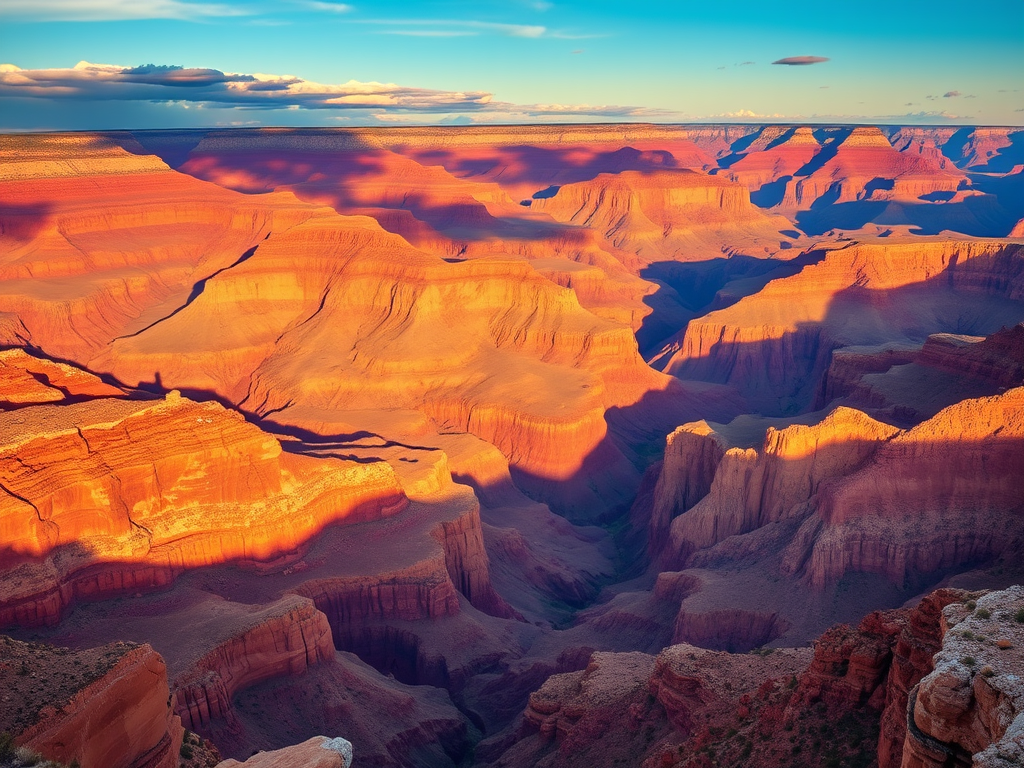
4. Grand Canyon National Park – One Very Deep, Very Colorful Receipt of Geologic Time
- Why: 277 river-miles, layered like Earth’s own seven-layer dip.
- Anecdote: Rim-to-Rim runner (2025) said, “My quads filed HR complaints—totally worth it.”
- Plan:
• Best windows: Mar–May & Sept–Nov for cooler rim temps.
• South-Rim vehicle fee $35 (nps.gov).
• Hydrate: one liter per hour on the corridor trails. - Heritage: Home to 11 associated tribes; visit Desert View’s tribal cultural center.

5. Zion National Park – Sandstone Skyscrapers & The Narrows Water-Catwalk
- Quote: “Wading waist-deep felt like slot canyon ‘cold-plunge’ therapy.” – Narrows hiker, 2024.
- Tactics:
• Peak times: Apr–May & Oct for 70 °F goldilocks weather.
• Fee $20 pp or $35 vehicle (nps.gov); mandatory shuttle most of the year.
• Angels Landing permit lottery opens 3 mo ahead—enter or settle for terrific-but-less-dicey Observation Point.
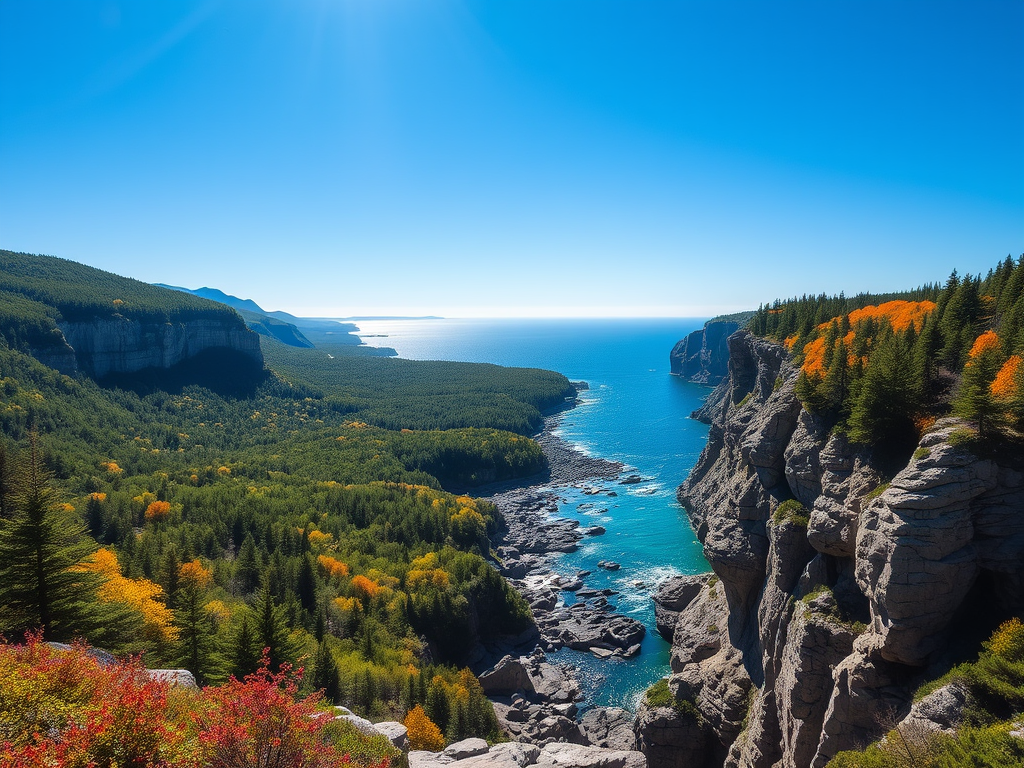
6. Acadia National Park – Where Granite Peaks Meet Atlantic Surf
- Visitor memory: Sunrise atop Cadillac Mountain “felt like opening the eastern blinds of America.”
- How-to:
• Best months: mid-Sept–mid-Oct (fall color) & late-May for lupine bloom.
• Vehicle pass $35/7 days (nps.gov).
• Reserve Cadillac-summit car passes; cyclists get the gravel-smooth carriage roads free. - Backstory: Civilian Conservation Corps built those carriage roads during the 1930s—an early jobs-plus-conservation win.
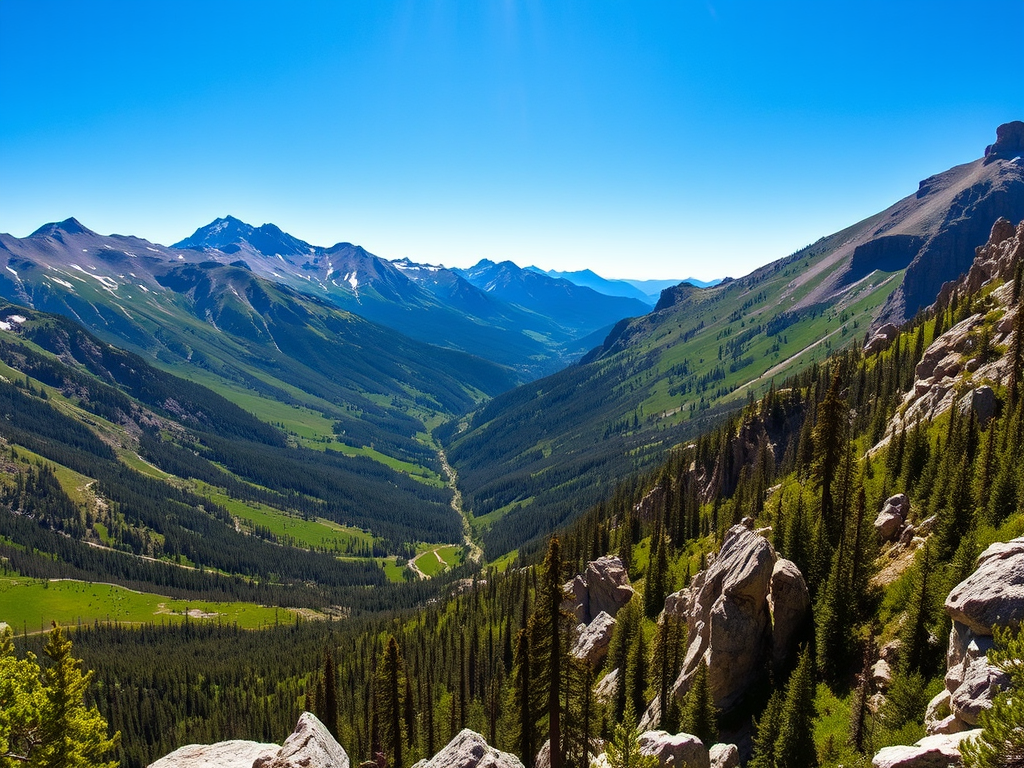
7. Rocky Mountain National Park – Thin Air, Thick Elk Herds
- Soundbite: Elk in rut bugle like nature’s vuvuzelas—bring ear protection or applauding palms.
- Need-to-know:
• Top season: July–mid-Sept; afternoon storms strike faster than a dropped ski pass.
• Per-person day pass $15; vehicles $25–$35 depending on length of stay (nps.gov).
• Timed-entry (Bear Lake Corridor) required till mid-Oct; acclimatize in Estes Park first. - Historical tidbit: Trail Ridge Road (opened 1932) tops 12 183 ft—highest continuous paved road in the U.S.

8. Grand Teton National Park – Yellowstone’s Drama-Queen Sibling
- Anecdote: Wildlife photographer (2025) captured a moose against alpenglow and “ran out of expletives to express joy.”
- Essentials:
• Sweet spot: mid-June–early Oct; dawn for wildlife.
• Fee $35 per vehicle (nps.gov).
• Download the NPS “Teton Backcountry” map—cell dead-zones are bigger than the moose. - Historical note: The 1920s Jackson Hole valley was saved by a clandestine Rockefeller land-buying campaign; conservation’s OG stealth mode.
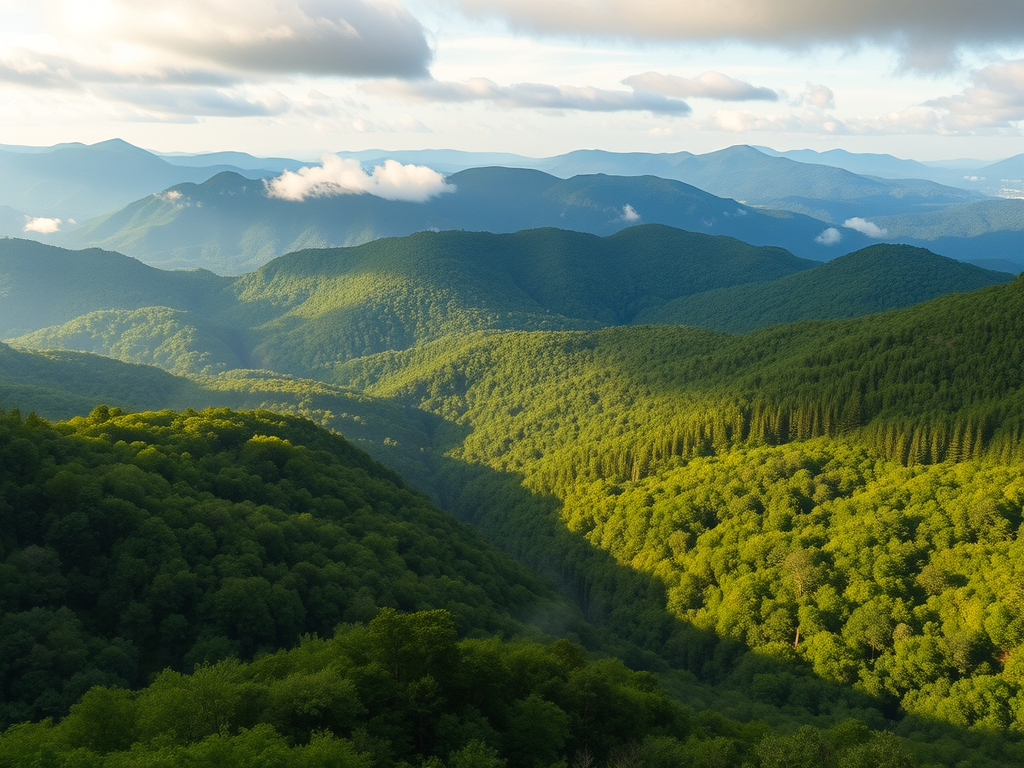
9. Great Smoky Mountains National Park – Most-Visited & Blissfully Misty
- Quote: “The synchronous fireflies looked like nature’s rave—no glow-sticks needed.” – Visitor journal, 2024.
- Practical stuff:
• Entrance is still free, but new parking tags cost $5/day, $15/week, $40/year (nps.gov).
• Prime times: late-Apr wildflower week, early-June firefly show, mid-Oct foliage.
• Humidity is real—pack breathable layers & a camera lens wipe. - Heritage: Over 90 historic log structures remain; the park is a literal open-air Appalachian museum.

10. Kenai Fjords National Park – Glaciers Calving into Whales’ Front Yard
- Eyewitness: Kayaker (2024) said Aialik Glacier’s thunder “felt like surround-sound subwoofers courtesy of Mother Earth.”
- Plan ahead:
• Best time to visit Kenai Fjords National Park is June–Aug when boats run daily & daylight is nearly endless (nps.gov).
• No entrance fee year-round (nps.gov), but tour boats sell out weeks in advance—reserve early.
• Exit Glacier hikes can be icy; micro-spikes + situational glacier-melt-respect required. - Climate note: Exit Glacier has receded 2 mi since 1815—interpretive signs mark the retreat like year-rings.
Cross-Park Cheat Sheet
| Quick-Hit | Details |
|---|---|
| Free-Fee Days 2025 | Jan 20, Apr 19, Aug 4, Sept 27, Nov 11 – plan accordingly for $0 entry but expect 200 % crowds. (nps.gov) |
| America the Beautiful Pass | $80/year; pays off at Park #3, faster if you’ve got a road-trip playlist. |
| Reservations/Timed Entry | Yosemite, Glacier, Rocky Mtn & Zion now gate digital passes—set calendar reminders 3–6 mo out. |
| Safety Basics | Leave no trace, filter water, & remember: bison can sprint 35 mph; your PB 5 k is not that. |
| Forward-thinking tip | Off-peak winter visits = lower carbon footprint and surreal snowy scenery (e.g., Yosemite’s “firefall” in Feb). |
Pack the curiosity, leave the trash, and may your next passport stamp smell faintly of pine and adventure.

 The Sarcastic Swede
Leave a comment