The Rocky Mountains, often referred to as the “Rockies,” are a vast mountain range that stretches over 3,000 miles from Canada through the United States to Mexico. This majestic range is not only known for its breathtaking landscapes but also for its rich history that spans millions of years, encompassing geological formations, Indigenous cultures, European exploration, and modern conservation efforts. This paper will explore the geological history of the Rockies, the cultural significance of the mountains, and some of the best places to visit along with optimal times for exploration.
Geological History
The formation of the Rocky Mountains began approximately 80 million years ago during a period known as the Laramide Orogeny. This process involved the collision of tectonic plates, which caused the earth’s crust to buckle and uplift, creating the towering peaks we see today. The Rockies are primarily composed of ancient sedimentary rock, formed from layers of marine deposits that were pushed upward as the mountains rose.
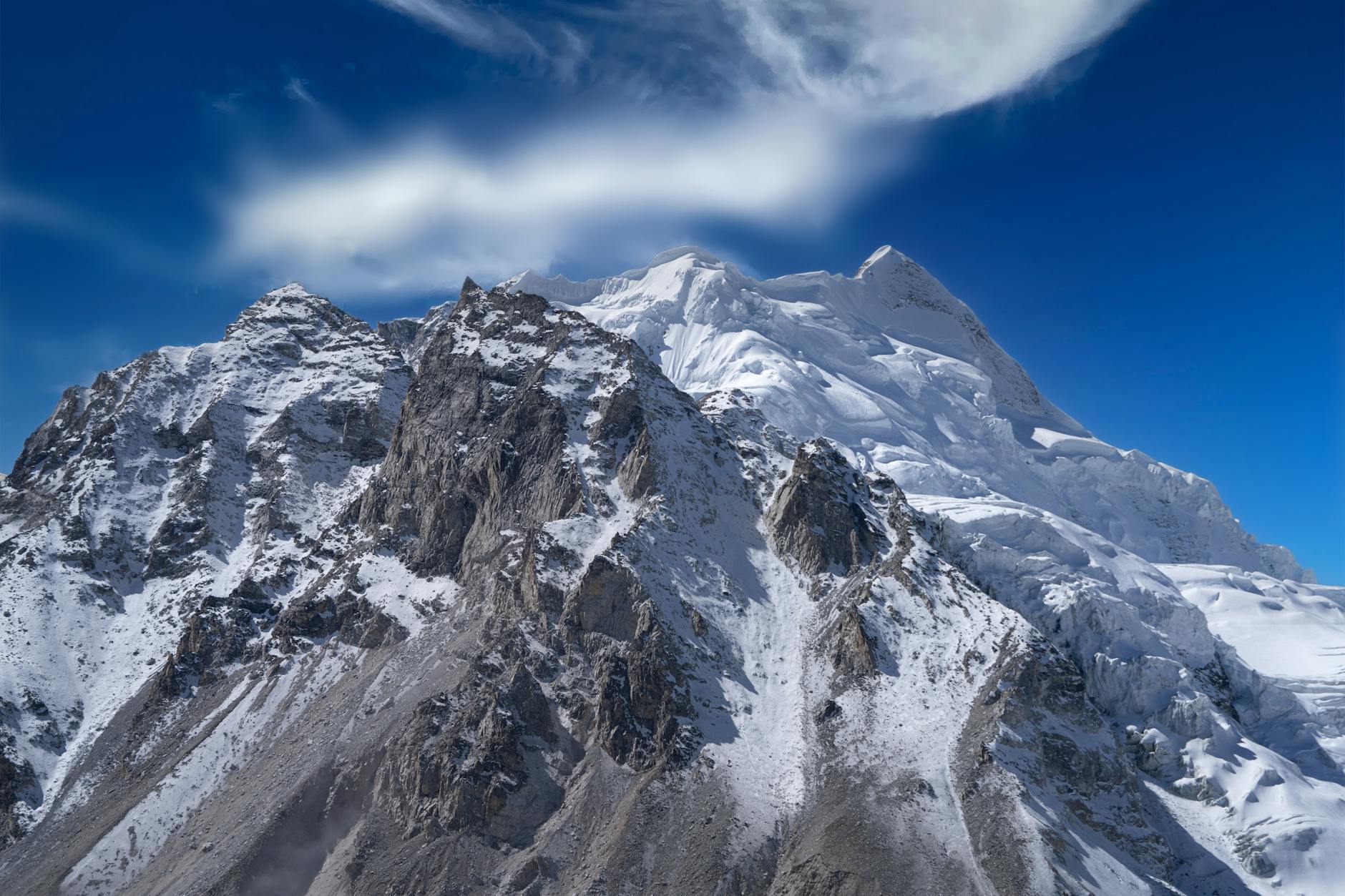
Over time, glacial activity during the Ice Ages sculpted the mountains further, creating deep valleys, sharp ridges, and pristine lakes. The remnants of these glaciers can still be seen today in the form of U-shaped valleys and glacial moraines. The dramatic landscape of the Rockies is a testament to these geological processes, making it a significant area for both scientific study and tourism.
Indigenous Peoples and Early Exploration
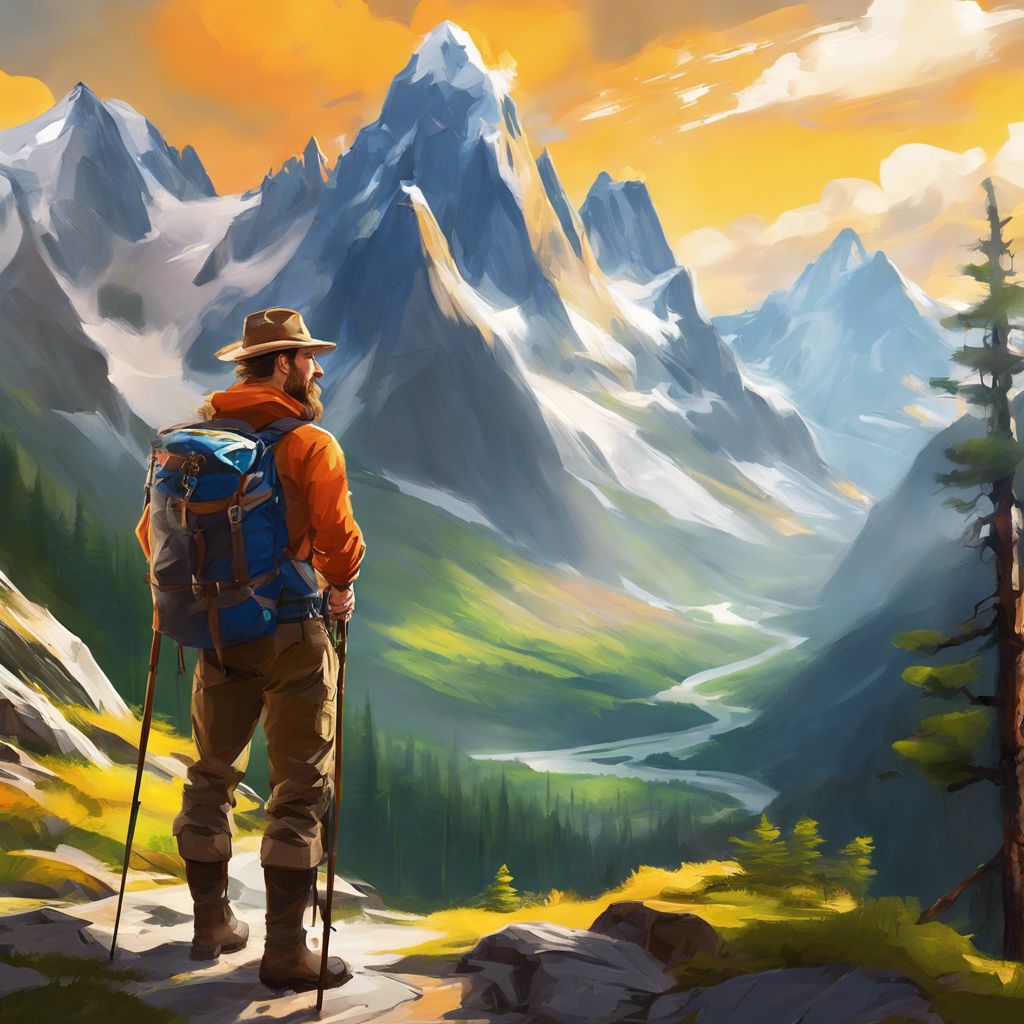
Before European exploration, the Rocky Mountains were home to various Indigenous peoples, including the Ute, Shoshone, and Crow tribes. These groups relied on the mountains for sustenance, utilizing the diverse ecosystems for hunting, fishing, and gathering. The Rockies held spiritual significance for these communities, as they viewed the mountains as sacred places imbued with ancestral spirits.
The first recorded European exploration of the Rocky Mountains occurred in the early 19th century, with explorers such as John Colter and Lewis and Clark paving the way for future expeditions. Colter, a member of the Lewis and Clark expedition, is often credited with being the first American to explore the region in 1807. His accounts of the area’s geothermal features and wildlife sparked interest in the Rockies, leading to increased exploration and eventual settlement.
The Gold Rush and Settlement
The discovery of gold in the Rockies in the mid-19th century led to a significant influx of settlers and miners. The Colorado Gold Rush of 1858 attracted thousands of prospectors to the region, resulting in the establishment of towns such as Denver and Leadville. This period marked a transformative time for the Rockies, as the population surged and infrastructure developed, including roads and railways.
However, this rapid expansion had profound effects on the environment and Indigenous populations, leading to conflicts and displacement. The establishment of national parks in the late 19th and early 20th centuries aimed to preserve the natural beauty and ecological integrity of the Rockies while providing recreational opportunities for the public.
Places to Visit
The Rocky Mountains offer a plethora of destinations for visitors seeking adventure and natural beauty. Some notable locations include:
1. **Rocky Mountain National Park (Colorado)**: This iconic park features over 300 miles of hiking trails, stunning alpine lakes, and breathtaking vistas. Key attractions include Trail Ridge Road, one of the highest paved roads in North America, and Bear Lake, a popular spot for hiking and photography.
2. **Glacier National Park (Montana)**: Known as the “Crown of the Continent,” this park boasts dramatic landscapes, diverse wildlife, and over 700 miles of trails. Visitors can explore the historic Going-to-the-Sun Road, which offers panoramic views of the surrounding peaks.
3. **Banff National Park (Alberta)**: As Canada’s first national park, Banff is renowned for its stunning mountain scenery, turquoise lakes, and abundant wildlife. Highlights include Lake Louise and the Banff Gondola, which provides sweeping views of the Bow Valley.
4. **Yellowstone National Park (Wyoming, Montana, Idaho)**: Although primarily known for its geothermal features, Yellowstone is part of the greater Rocky Mountain ecosystem. Visitors can experience the park’s famous geysers, such as Old Faithful, and explore its diverse landscapes.
Best Times to Visit
The best time to visit the Rocky Mountains depends on the type of activities one wishes to pursue.
– **Summer (June to August)**: This is the peak season for hiking, camping, and wildlife viewing. The weather is generally warm and trails are accessible, making it ideal for outdoor enthusiasts.
– **Fall (September to October)**: Fall offers stunning foliage and cooler temperatures, providing a quieter experience as summer crowds dissipate. This is also an excellent time for photography and enjoying the changing colors of the leaves.
– **Winter (December to February)**: For those interested in winter sports, the Rockies are a premier destination for skiing and snowboarding. Resorts such as Aspen and Vail in Colorado attract visitors from around the globe.
– **Spring (April to May)**: Spring is a transitional period when wildflowers bloom and wildlife becomes more active. However, some areas may still be snow-covered, so it’s important to check trail conditions
Conclusion
The history of the Rocky Mountains is a rich tapestry woven from geological, cultural, and ecological threads. From their ancient formation to their significance in Indigenous cultures and European exploration, the Rockies have shaped the history of North America. Today, they stand as a testament to the beauty of nature and the importance of conservation. With numerous places to visit and diverse activities to engage in, the Rocky Mountains continue to inspire awe and adventure in visitors from around the world. Whether seeking the thrill of outdoor activities or the serenity of nature, there is no better time to explore this majestic range.

 The Sarcastic Swede
Leave a comment